
Texas Makes History with Landmark School Choice Law
Press Release: For Immediate Release
May 2, 2025
For more information or to schedule an interview, contact:
Chantal Lovell
[email protected] | 989-251-8388
Texas Makes History with Landmark School Choice Law
SB 2 creates a universal ESA program, empowering families with flexible education funding
Tomorrow, Texas Gov. Greg Abbott signed Senate Bill 2 into law, officially adding Texas to the school choice map. The new law creates the state’s first school choice program, an education savings account (ESA), offering universal eligibility,
SB 2 creates a new Education Savings Account program in Texas with an initial $1 billion investment. Eligible families can receive up to an estimated $11,000 per student to use for private school tuition and other approved education expenses. Students with disabilities may qualify for up to $30,000, and families educating their children at home can receive $2,000. The program will begin by serving up to 90,000 students and is designed to expand as more families apply.
“Texas has long been one of the largest holdouts on educational freedom, offering no school choice programs—until now,” said Robert Enlow, President and CEO of EdChoice. “With the passage of SB 2, that changes. Texas is now part of the growing list of states ensuring families can educate their children in the learning environment that meets their needs. This is a monumental step forward for parental empowerment and student opportunity—not just for Texas, but for the nation.”
All Texas K–12 students are eligible to participate, but priority will be given to students with disabilities, and those from low- and middle-income families if demand exceeds the initial program budget. The program is also designed to grow with demand—every student on the waitlist will be fully funded in the next cycle.
This victory comes amid growing momentum nationwide. With the addition of the Texas ESA program, there are now:
- 76 private school choice programs in 35 states, plus Washington, D.C. and Puerto Rico;
- 18 states offering choice programs to all students;
- 21 ESA programs in 18 states; and
- 45% of students eligible to participate in a private school choice program nationwide.
“For years, Texas stood out as one of the few states without a single school choice program—but that era is over,” Enlow continued. “With SB 2, Texas has taken a bold step to put families first and fund students, not systems. This is a victory for every parent who has waited for the freedom to choose the right education for their child. EdChoice is proud to have played a role in making this moment possible—and we won’t stop until all students enjoy all options and benefit from all available dollars.”
To speak with Robert Enlow or an EdChoice scholar about the Texas program, educational choice trends and legislation, or existing programs across the country, contact Chantal Fennell at [email protected], or 989-251-8388.
EdChoice is a nonprofit, nonpartisan organization working to empower every family to choose the learning environment that fits their children’s needs best. Learn more at edchoice.org.
###
Latest from the Blog
-

Summer Reading: Reducing Chronic Absenteeism
As we start to think about next school year, taming chronic absenteeism needs to be a serious priority.
-
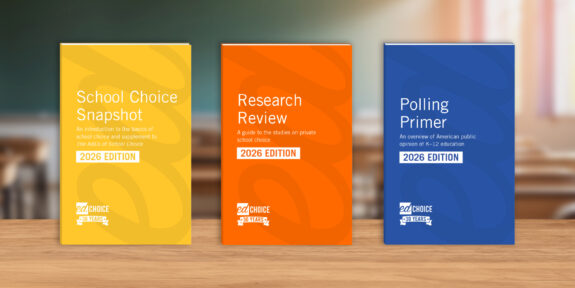
The 2026 EdChoice Bundle is Here!
The Bundle Basics, the first three of our six annual Bundle products, are out today and critical reading for those seeking to understand the current status of the school choice landscape.
-

Audit ESAs Like We Mean to Keep Them
When reviewing an audit report, we recommend doing three things. First, ask if the purchase is something that other schools already buy. Second, keep an open mind. And third, avoid overreaction.