
What Should We Expect From Homeschooling Post-Pandemic?
In America, homeschooling has a history of being unfairly maligned. Although it is arguably the oldest education model, homeschooling was not legally recognized in all 50 States until the 1990s. For decades before its legalization, homeschooling was nearly unheard of as many homeschool families kept their educational practices underground to evade legal trouble.
Fast forward to today, nearly 1 out of every 20 students in America is homeschooled, according to the 2024 EdChoice Share. The Washington Post even recently declared that homeschooling was the “fastest-growing form of education.”
While some predicted the growth in homeschooling would be a temporary byproduct of pandemic-era school closures, recent data suggests otherwise.

(Chart Source: The Washington Post)
Research from Dr. Angela Watson, using data from the Homeschool Hub at Johns Hopkins University, shows that “the majority of states for which data are available report increased homeschool participation three years after the pandemic height.” In other words, homeschooling is no longer a fringe educational option or a fad. Rather, homeschooling is here to stay as another of many options available in the American K-12 sector.
What outcomes can we expect from homeschooled students?
As homeschooling becomes more common, so have the debates surrounding it. Unfortunately, homeschoolers continue to face stereotypes, such as being associated with parental neglect or abuse, despite research showing no significant difference in abuse rates between homeschoolers and public school students. Moreover, critics claim that homeschooled students are less likely to attend higher education institutions, be “socialized,” or have any outside interests like participating in sports or volunteering. These myths drive calls for imposing more regulations on homeschooling from academia, media, and even state legislatures.
But a growing body of research is dispelling many of these false ideas. For example, the recently released Cardus Education Survey analyzed various outcomes for a nationally representative sample of adults aged 24-39, presenting results from those who were homeschooled.
Cardus breaks homeschoolers out into three different groups: short-term (homeschooled 1-2 years), medium-term (3-7 years), and long-term (8 years or more). The categorization of homeschooled adults reflects the wide variation in homeschooling experiences. For instance, 20% of homeschooled adults spent only a year in that educational format, while 17% were homeschooled for the entirety of their primary and secondary education.

(Chart Source: Cardus Education Survey)
Mental Health
According to existing research and EdChoice’s Schooling in America Survey, there are various reasons why families choose to homeschool. One of the main reasons is to provide a safe learning environment for their students. For many homeschooling parents, this includes not just physical safety but, more specifically, their children’s psychological and academic well-being.
Results from the Cardus Education Survey support this motivation, as adults who were homeschooled for eight years or more reported the lowest level of symptoms associated with anxiety and depression. In fact, long-term homeschoolers were the most likely to feel optimism and satisfaction with their lives.

(Chart Source: Cardus Education Survey)
Character and Value Formation
Another reason parents choose to homeschool is to instill values, morals, and strong character in their students. Cardus again finds that homeschooling families are doing a good job as 45% of long-term homeschooled adults have volunteered, and 58% have given to charity in the last 12 months — more than any other group.


(Chart Source: Cardus Education Survey)
Homeschooled adults are also more likely than non-homeschoolers to practice religion and believe in a higher power. Interestingly, the longer a student was homeschooled, the more likely they were to practice and identify with religion as an adult. Long-term homeschoolers are the most likely group surveyed to get married and have children, while they are the least likely to get divorced among all primary education backgrounds surveyed.


(Chart Source: Cardus Education Survey)
Educational Attainment and Income
Academically, students who were homeschooled for 3 years or more were more likely to finish their schooling with a high school diploma or an associate’s degree compared to short-term homeschoolers or non-homeschoolers. The increased educational attainment for short-term homeschoolers and non-homeschoolers appears to translate to an increase in earnings as they were more likely to have household incomes above the national median. One possible reason why homeschoolers have lower household incomes is that they place less importance on the value of money and prioritize other values.


(Chart Source: Cardus Education Survey)
Homeschooling Is Here to Stay
Not every value espoused by homeschooling families aligns with those of all parents. Nevertheless, the values and customization that homeschooling provides for these families deserves respect. Of course, the Cardus Education Survey is not causal research, but by observing the outcomes of adults who were homeschooled as students, we can see that they are living well-adjusted, civic-minded, and fulfilled lives. These results should be celebrated, especially as a new era of individualized K-12 education takes shape.
This article was originally published on our Substack.
Latest from the Blog
-
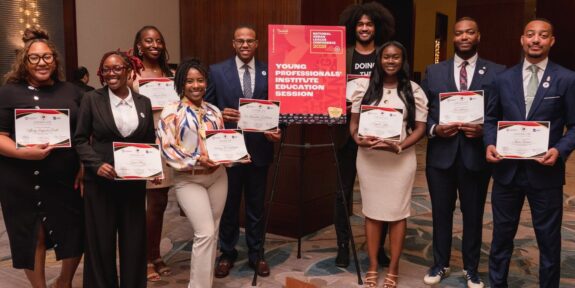
Developing the Next Generation of Education Advocates
We take a look at the Young Professionals Institute: Education Fellowship that is developing the next generation of education advocates.
-

Enrollment Down, Funding Up
We take a look at the myth that declining student enrollment is linked to declines in per pupil expenditures.
-

The Fiscal Case for School Choice and How to Craft Good Choice Law: EdChoice’s SPN Session
We recap our session at the 2026 State Policy Network's Annual Meeting in Orlando where we presented facts and arguments to combat both fiscal and legal attacks on school choice.