EdChoice and Reason Foundation Launch School Choice Calculator

SEARCH



(Reposted with permission of Lincoln Network.) What does the local public school in your community spend per-student? A new tech tool developed by Lincoln Studio in partnership with EdChoice can give you an answer. Project Nickel is a first-of-its-kind search engine of U.S. public school per-student spending data required to be reported to the U.S. […]
As you might have seen in an email or on social media, we are revamping The 123s of School Choice guide this year, making it fully digital. If you’re not familiar with The 123s report is, let us catch you up. Researchers from across the country have conducted almost 170 empirical studies (as of this […]
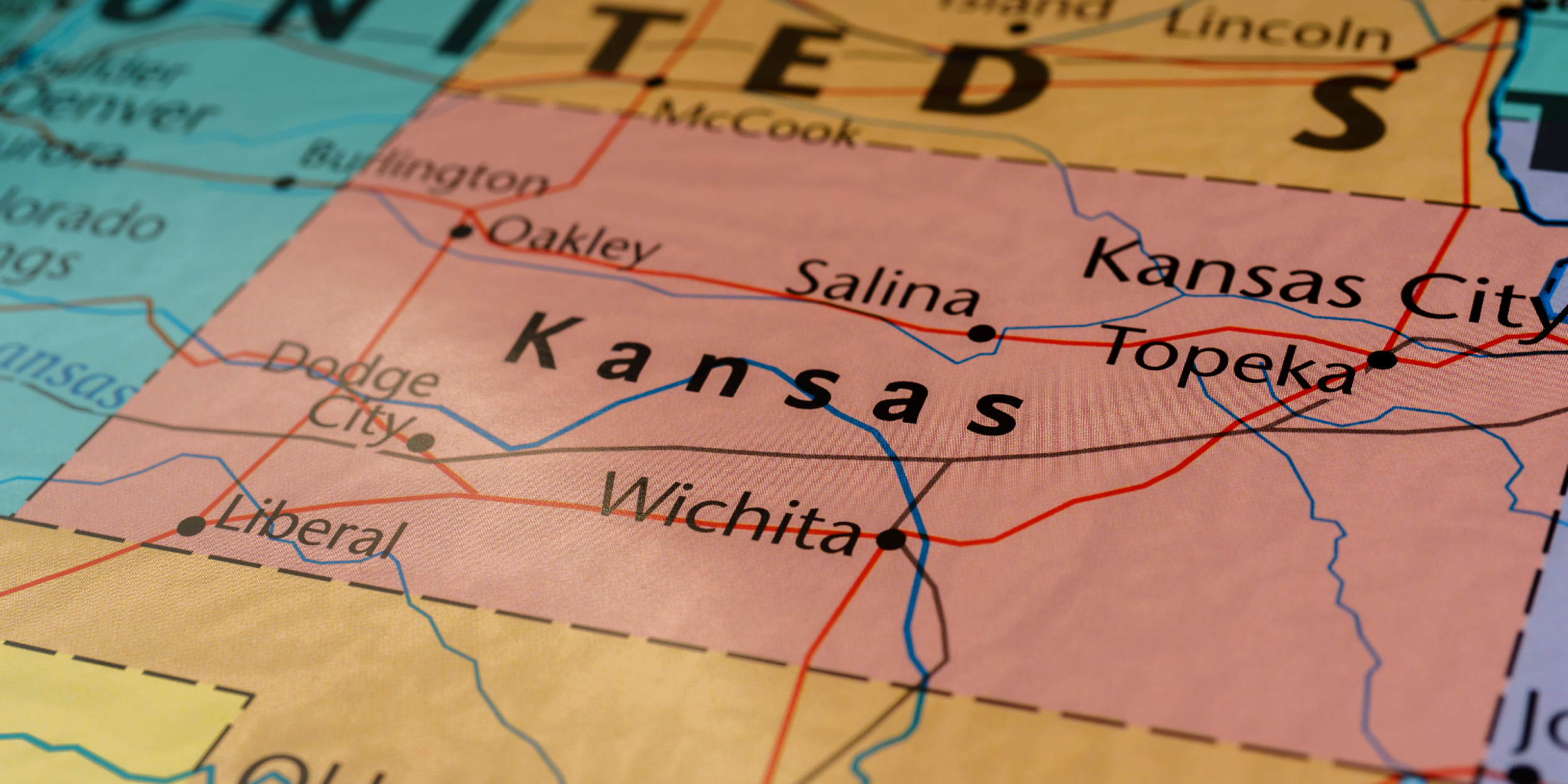
Legislators in the Sunflower State currently are debating a bill to create an education savings account (ESA) program for families of K-12 students. Some policymakers have expressed concern about the potential fiscal impact of such a program. Fortunately, school choice is not new to Kansas, which already has the Tax Credit for Low Income Students […]
We’re used to people freaking out whenever states consider creating private educational choice programs. The common refrain goes, “But it will drain money from our already underfunded public schools. It will break our budgets!” There are a lot of problems with the ethos and the pathos of that response worth digging into another day, but […]
How well are America’s private school choice programs funded? In this post, we rank the nation’s educational choice programs by purchasing power based on data in the 2021 edition of The ABCs of School Choice. To rank programs by purchasing power, we compare each program’s most recent per-pupil spending to the state’s (plus D.C.’s and […]

There’s a national conversation right now about whether or not lawmakers should cancel student loan debt—and how much they should consider wiping out. President-elect Biden has suggested canceling up to $10,000 per student; other federal policymakers have urged canceling $50,000 per person. Both plans face challenges. Most notably, canceling $10,000 of student debt per borrower […]